
Following the installation of your grass protection mats, they can largely be left alone to do their job. Though this is generally acceptable, at some point your rubber grass protection mats may require cleaning or a little light maintenance to ensure that their anti-slip features, impact absorption, and aesthetic appearance remain top-notch. From routine cleaning every few months or a seasonal maintenance, there are a number of methods that can be used.
Why is it Important to Clean Grass Matting
Exposed to the elements as well as the undergrowth, it’s no surprise that grass mats require consistent maintenance to stay in shape, particularly when used for purposes such as winter garden protection or for playgrounds. Adding cleaning procedures to your gardening or grounds maintenance routine will yield many benefits.
Keep Your Grass Healthy
Throughout the year, and especially in Autumn, dirt, leaves, and debris can block the drainage holes in the rubber grass mats. This can prevent air, sunlight and water from nourishing your grass shoots, potentially suffocating them. With clean holes, water drainage can occur freely, putting a stop to puddling and otherwise soggy ground under climbing frames and equestrian markets.
Boost to Safety and Traction
When mud, algae or moss is allowed to build up on rubber grass protection mats, it can cause them to become particularly slick, whether they are single or interlocking panels. This can in turn become a significant safety risk, especially if the mats are located in high-traffic areas such as playground surfacing or paving systems. However, when debris is cleared, mats can retain their traction even in rainy weather and continue to provide non-slip paths for pedestrians
Increases the Lifespan of Your Rubber Matting
No matter how high strength a rubber grass mat is, over time organic acids from decomposing leaves or bird droppings can begin breaking down the rubber surface, meaning significant damage can be inflicted in the long-term. Occasional cleaning of your outdoor rubber matting provides steady erosion control and also ensures proper drainage takes place. As a result, the soil underneath is less likely to erode or compact under the mats.
Long-Term Money Saver
Maintaining an occasional cleaning routine instead of allowing dirt and debris to build up on your grass reinforcement mats ensures that the anti-slip surface and the mats themselves will last significantly longer, reducing the need to spend money on repair and replacement.
Makes Your Grounds Beautiful Again
Clean and well maintained rubber grass protection mats doesn’t just benefit your grass and soil; your garden or grounds also reap the benefits, retaining a neat and professional aesthetic appearance which will add to their appeal. Keeping your mats in good condition also encourages grass plant growth, maintaining soil stability and indirectly aiding in carbon capture, as actively growing grass is able to photosynthesise more efficiently, drawing carbon dioxide from the atmosphere and into the roots and soil.
Cleaning Methods for Grass Reinforcement Mats
The type of cleaning you use on your rubber mats will depend on whether it is part of a regular maintenance routine, or more of a one-off deep clean. Though the process and effort required differs, each method yields positive results.
Dry Cleaning
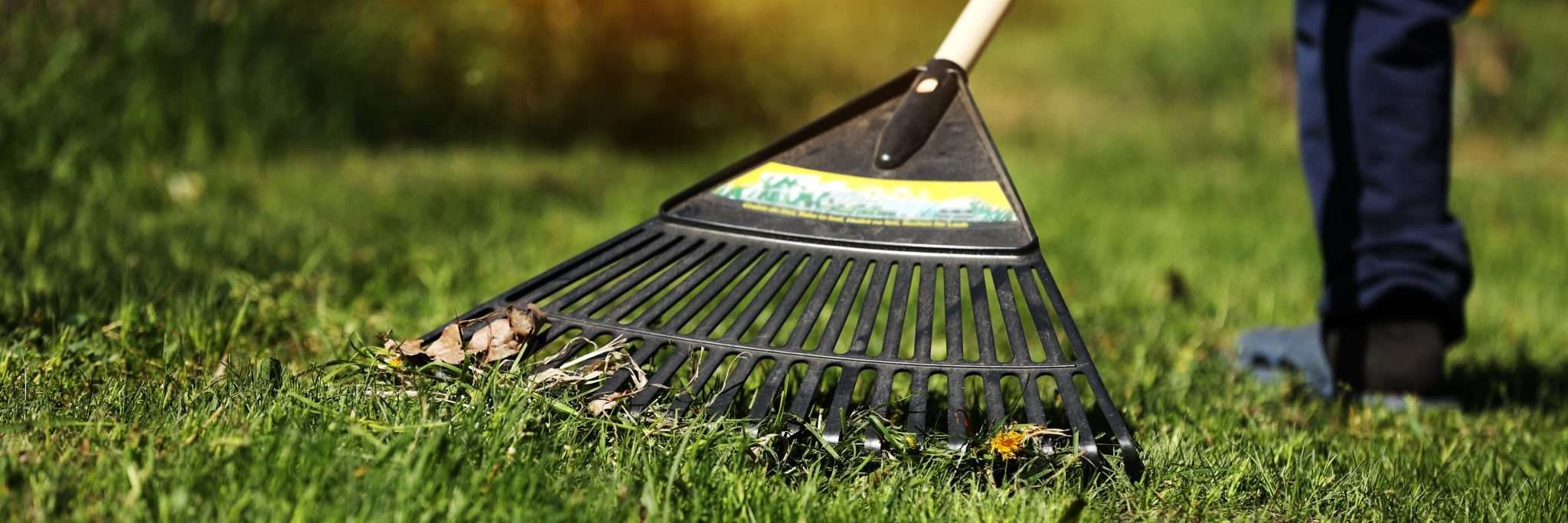
This is a lighter maintenance method that can be undertaken every few months. It includes the use of a stiff broom or soft bristle brush to clear away loose debris on the ground surface such as leaves, soil and twigs. To do this effectively, brush in multiple directions to clear dirt away from the holes. Alternatively, you can use a leaf blower which will be quicker in removing any surface debris without also shifting the grass protection mats.
Lifting and Underside Cleaning
If your ground is particularly soft and the mats have sunk slightly after regular use, it is possible to lift your mats section by section and begin brushing or hosing off the underside to dispose of any compacted soil. Once this is done, you can start cleaning the ground beneath, mowing the grass, removing any weeds, and checking the water drainage of your rubber matting. You can then relay your grass reinforcement mats, ensuring the holes align for airflow and and water movement.
Our recycled rubber grass mats are easy to clean with high durability that reduces short and long-term replacement costs. Simple to install, they can be fitted with plastic pegs and tied together with cable ties to cover larger surface areas, bringing added protection and natural grass reinforcement to parks, event grounds and gardens.
It may initially seem a hassle, but keeping your rubber grass mats free of excessive debris and dirt can do a great deal in not only maintaining, but maximising the anti-slip benefits and impact absorbing surfaces, so it’s best to develop a solid cleaning routine throughout the year.
For help and advice surrounding our reinforcement products and their maintenance, feel free to get in touch with a friendly member of our team via our website.

