
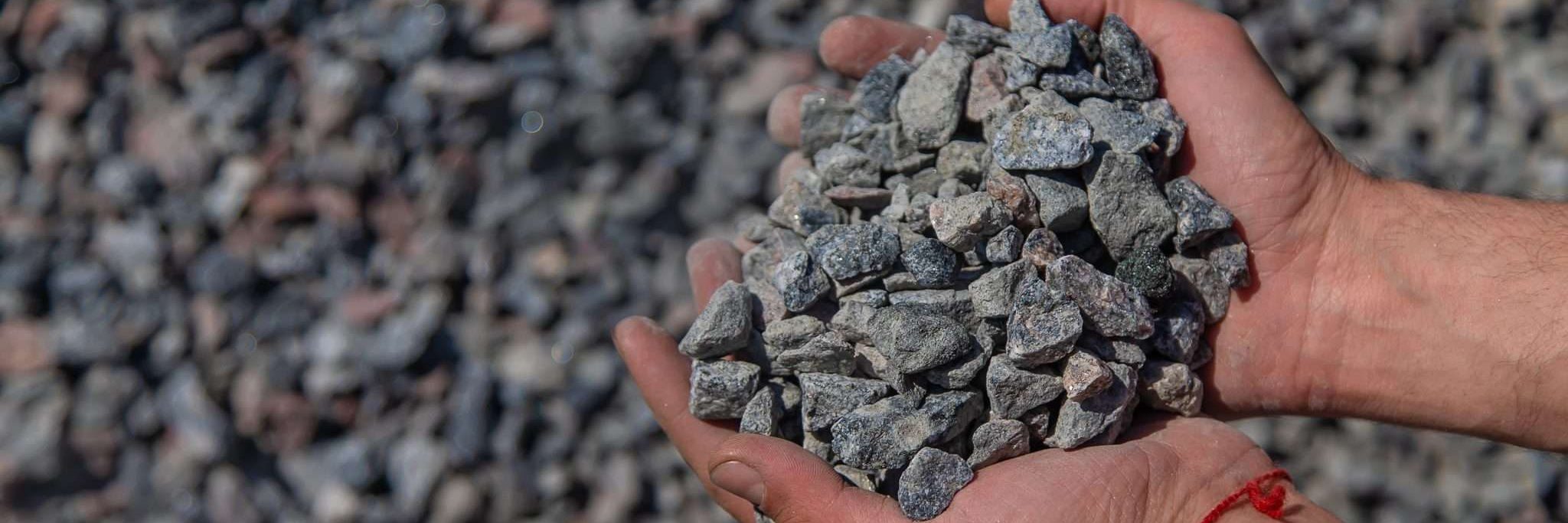
Several types of gravel can go in Bodpave, so which is right for you? The grid provides structural integrity and load distribution, but the gravel determines surface stability, durability, drainage and long-term maintenance.
Why Specification Matters
Bodpave 85 and 40 are cellular paving grids designed to confine gravel within interconnected cells, prevent lateral movement and rutting, distribute loads to the sub-base and maintain permeability.
However, if the gravel does not properly interlock within the cells, the surface can feel loose underfoot or under tyres. The goal is to create an interlocked, free-draining surface layer that works with the cells.
Angular Crushed Stone Gravel
Angular crushed gravel is produced by mechanically crushing quarried rock. The resulting sharp edges and irregular faces that allow the stones to lock together under compaction. This provides resistance within the grid cells, reduced surface migration, greater stability under traffic and improved load transfer into the sub-base. When compacted into Bodpave cells, the gravel forms a stable fix that significantly reduces rutting and has a high load bearing capacity.
Suitable Materials:
- Crushed granite
- Crushed limestone
- Crushed basalt
- Other hard, durable quarried rock
Rounded or Decorative Gravel
Rounded gravels have smooth edges and minimal interlock, meaning there is more surface movement under vehicles, and it can feel looser underfoot. While the Bodpave still provides confinement, rounded gravel is generally better suited to pedestrian pathways, light-use areas and decorative landscapes with soil.
Correct Size: The 5–20mm Rule
The recommended size range is 5 to 20mm. This is optimal because it fits effectively within the cell depth, provides sufficient mass for stability, maintains permeability and prevents excessive stone displacement.
Gravel sized smaller than 5mm can be problematic as it can clog drains, migrate through joints, increase surface dust, as well as lacking structural interlock. Fine gravel also reduces permeability, which undermines the Sustainable Drainage Systems (SuDS) performance of the system.
If it is sized larger than 20mm, this leads to poor confinement within the Bodpave cells, reduced compaction, uneven surface finish and potential rocking under tyre pressure.
Optimal Sizes for Different Applications
For driveways with cars and light vehicles, a 10mm or 14mm angular crushed stone gravel is ideal. For heavy-duty vehicles, a 14 to 20mm may be required. It’s also important to avoid rounded stones.
For car parks and access roads, a 14 to 20mm angular gravel is ideal; the stone must be durable with high abrasion resistance.
For pedestrian paths, use a 5 to 10mm or a decorative 10mm rounded stone if stability demands are low.
This size range provides the best balance of compaction, interlock, and appearance, so you can have the most suitable flooring for parking and paths.
Cleanliness & Fines Content
A clean, well-graded gravel ensures that the surface remains able to drain and is structurally sound. It should be washed or clean, free from excessive clay and low in dust. Excess fine dust will reduce the permeability and cause surface binding and puddling, leading to increased long-term maintenance.
Installation Considerations
Installation technique matters, after filling Bodpave:
- Spread evenly across the surface
- Brush into the cells
- Lightly compact (plate compactor for vehicular areas)
- Top up if necessary
Overfilling should be avoided as the gravel should sit full or just below the top of the cells for best performance.
Permeability & SuDS Compliance
Bodpave systems are often specified for SuDS. To maintain permeability, use clean, open-graded aggregates, avoid fines-rich blends and ensure a permeable sub-base beneath. When correctly specified, the permeable paving allows water to infiltrate vertically through the surface rather than run off laterally.
What to Avoid
When filling your Bodpave, there are a few materials to avoid. Soft sandstone should be avoided as it is likely to break down under the load, especially on a driveway. Gravel with high clay contamination should be avoided as its performance will be affected. Building sand and oversized cobbles should also be avoided. Poor selection can result in surface instability even if the grid and sub-base are correctly installed.
What Gravel Should I Use?
For most projects using Bodpave 85, the best-performing solution is angular crushed stone, sized at 5mm to 14mm for driveways or 5mm to 20mm for heavier-use areas.
Choosing the correct product ensures that the Bodpave system performs as intended, delivering a stable, permeable, low-maintenance surface suitable for different ground conditions and traffic.
If you need further guidance on choosing the right paver for your Bodpave 40 or 85, contact us and our expert team will be happy to help.

