
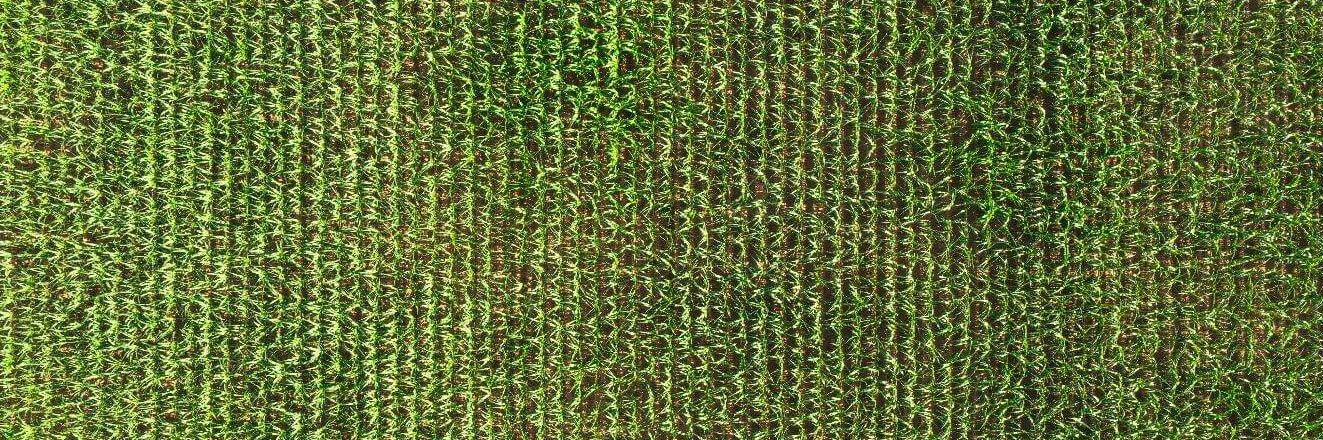
Following the installation of your ground protection mesh, you might be tempted to leave it to work its magic alone. However, whether the product is standard or heavy-duty grass reinforcement mesh, it’s important to continue maintaining grass after a mesh installation. Though the process is still straightforward, adding reinforcement mesh can change the way you care for your garden lawn or green space.
What Happens After A Grass Mesh Installation?
After the mesh has been laid, your grass will begin changing almost immediately over a short period of time, particularly if you install it during the growing season.
Grass Protection Mesh Settles on to the Soil
Immediately following the establishment of the mesh, it lies on the grass and soil surface, with metal U-pins to hold it down so that it doesn’t shift from external forces or grass growth. Made from durable steel, they keep your grass protection mesh secured in the long-term. Because of the force on the grass blades, your grass will be temporarily flattened before the shoots begin to grow back through the soil and mesh.
Grass Begins to Grow Through the Mesh
Over the next 2-3 weeks, as the existing grass grows it will push through the openings and new shoots will weave their way through the mesh. As grass growth continues, the mesh structure will become less visible and begin to blend with the new shoots for an inviting and natural look.
Root Zone Blinds With the Mesh
The ensuing 4-8 weeks will see grass roots growing around and through the mesh while the soil grips the mesh due to rain, irrigation and pressure from foot traffic. The grass doesn’t merely grow downward, the roots also spread horizontally, creating a turf that resists additional force. It is at this stage that the mesh covered ground develops additional strength, able to resist soil erosion more easily and cope with footfall and light vehicle traffic.
Traffic-Bearing Strength Increases
After the root system, soil, and grass protection mesh have been fully integrated, the grass essentially becomes a reinforced turf composite, which considerably alter how it copes with load capacity.
When the grass reinforcement mesh integrates with the grass and its roots, it is able to spread the load from a vehicle horizontally over a large area, meaning that stress is reduced at any single point of the soil-root structure. The mesh also acts as a reinforcement layer, as the turf winds up behaving more like a reinforced mat than loose topsoil.
Our grass protection mesh is made from high-density polyethylene, meaning it is both non-toxic and can help to protect and reinforce grassed areas for up to 20 years. We regularly supply our polyethylene mesh in lite, medium and heavy versions to visitor attractions, theme parks, weddings and sports venues. As well as ensuring healthy growth, the mesh reduces soil compaction and erosion, eliminating potential bald patches and poor quality grass.
The Maintenance Process
The upkeep process for your grass reinforcement mesh grass remains similar to that of ordinary grass with a few minor changes.
Watering is Vital
Following the laying of grass protection mesh, the surface temperature of the ground slightly increases, which alters how swiftly moisture evaporates. To be able to really thrive, the grass will also require strong root growth to bind into the mesh.
For the first 2-3 weeks, you are advised to keep your turf consistently moist. This is easily done by lightly watering the soil. If it seems to be drying fast, add the water on a more frequent basis. Where possible, you should do everything you can to avoid water-logging, as overly saturated soil can cause the grass reinforcement mesh to shift and create instability. After a month, the grass should be established and you can begin watering deeply and less frequently to drive down through the mesh.
The signs that your watering strategy is working include the mesh becoming increasingly invisible as the grass grows upwards. There should be no yellowing between the grid openings, and no separated or lifted mesh sections.
Review Your Mowing Technique
It is advised that within the first month that you wait until your grass has reached 5-8 cm (2-3 in) before you begin to mow it again. Once it reaches this point, set your mower deck higher than usual. This should be around 6-7 cm (2.5 in) at the minimum, to prevent the mower from catching the high points of the ground reinforcement mesh, and protect any junior shoots that are weaving their way through the grid.
After the first month and to the end of the second, you can gradually lower the mower height one notch at a time. As much as possible avoid scalping (cutting the grass too short). As well as exposing grass stems or the soil beneath, this can temporarily expose the mesh, negating the natural turf look you want to achieve.
From two months onwards, simply keep the grass at 4-6cm in length for durability. In higher traffic areas, leaving the grass slightly higher can provide increased cushioning and better grass root development and to avoid any surface problems.
Feeding and Fertilisation
Though grass protection mesh lends a valuable hand to root anchoring, it is the nutrients in the soil which drive the growth needed to knit turf into the grid. Feeding your grass results in denser root growth, which leads to a stronger binding around the mesh. It can also facilitate faster recovery from compression and traffic from vehicle access, ideal if you are holding an event. Additionally, a steady application of fertiliser results in the superior filling-in of bare patches between mesh strands.
To fertilise your soil effectively, it is helpful to have a seasonal schedule to take you through the year:
Spring
Apply a balanced NPK fertiliser in order to promote strong stem and root growth.
Summer
Provide light feeding to maintain colour without excessive top growth.
Autumn
At this stage, a high-potassium mix will strengthen your grass roots before Winter sets in.
Winter
As grass growth slows significantly, do not apply any more feeding until Spring.
Manage Traffic and Usage
If you are planning to have foot and vehicle traffic going over your grass reinforcement mesh, it is best to give the grass some time prior to the heavy use to merge with the mesh and allow it to reinforce the surface.
During the first two weeks to a month, allow only light foot traffic on the area, and avoid dragging objects such as bags, hoses or wheelbarrows, as there is a risk that they can catch the mesh edge.
After a month, a moderate amount of foot traffic is acceptable, and push mowers as well as wheelbarrows are also safe. However, you should still avoid having cars moving over the surface or parking on it until the grass fully knits through the mesh. However, this will be possible after two months. Depending on the grade of the mesh, light van access is also possible, as well as ride-on mowers, wheelchairs and heavier foot traffic.
There are a number of things to consider when maintaining your grass following a mesh installation. However, if you keep them in mind and take care of the space, you will end up with a healthy, strong lawn or grassed area that can handle a range of uses.
For advice on our grass protection mesh products and accessories or if you need help with installation guidelines, don’t hesitate to contact a member of our friendly team.

