
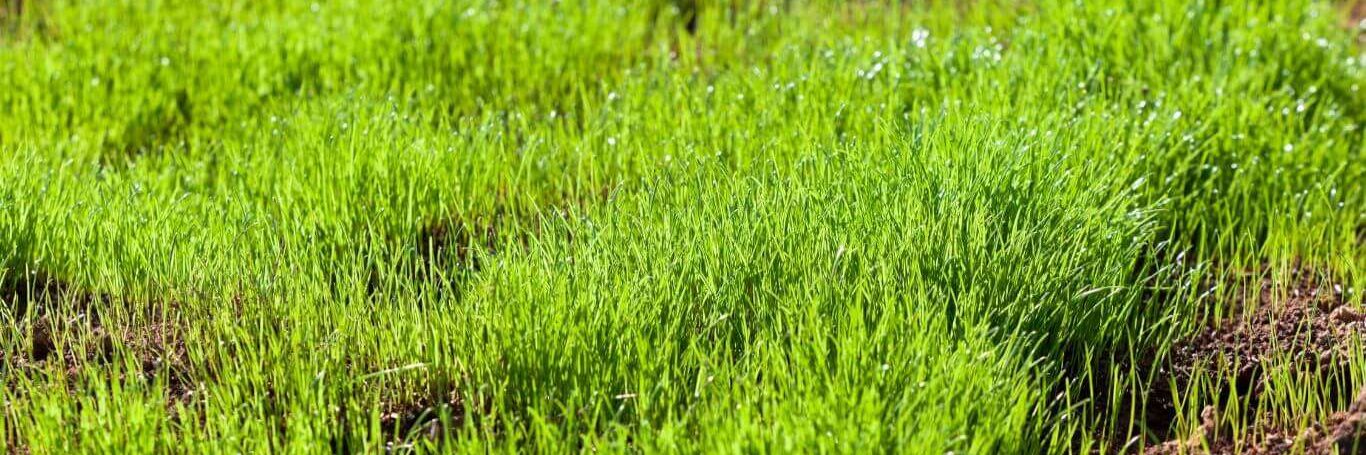
The time of year you install your grass reinforcement mesh beneath garden swings or on walkways is an important consideration in terms of both grass growth and ground conditions. However, when to lay grass protection mesh is not as straightforward as many imagine.
Why is Timing Important for Grass Protection Mesh?
The truth is that there are multiple periods throughout the year in which you can lay turf reinforcement mesh, whether for playgrounds, pedestrian traffic, or wheelchair traffic. Some of these periods are more ideal than others for many reasons.
Active Growth is Needed to Anchor the Mesh
By its nature, grass mesh depends on grass roots and blades growing through it to be locked against the soil. From March to September/October, or the ‘growing season’ in the UK, grass actively grows due to mild temperatures of between 8–18°C and regular rainfall. Once the mesh is anchored by the lawn, a strong, stable surface can develop within weeks, ideal if you need a robust surface quickly to solve your grass parking problems.
Cooler Climates Delay Mesh Integration
In contrast, the winter months drag temperatures down to single figures. As grass growth halts at around 8°C, the mesh is likely to sit loosely atop the lawn, making it prone to movement, lifting or damage from vehicles or foot traffic which can cause grass wear. For the grass to properly integrate with the mesh, the next growing season would need to roll around.
Extreme Summer Heat Can Cause Damage
Just as extreme cold can foil efforts to install turf reinforcement mesh, so can periods of hot weather. Particularly in mid-summer, higher temperatures and dry soil can scorch and put stress on the grass. If the mesh is laid at this point in the year, the grass may struggle to recover from this stress or push through the mesh properly without regular watering. The result is patchy levels of integration and the possibility of bald spots on your lawn.
What About Soil Conditions?
For grass protection mesh to function effectively, it should be securely pegged with U-pins into firm but workable soil. This is particularly key for slope soil stabilisation on hills.
Spring and Autumn are optimal times for these ground conditions. The soil is soft enough to pin the mesh to the ground effectively while simultaneously being firm enough to hold the pegs in place. But in Winter, soil can be frozen or waterlogged, making it difficult for the pegs to hold firm, while in summer the sun can dry out the ground and harden it, limiting the peg’s ability to find purchase.
Grass Reinforcement for the Long-Term
Laying mesh systems in parks or gardens at the optimal time isn’t just better for grass and soil health; it ensures that the turf reinforcement mesh becomes a permanent reinforcement layer rather than a temporary cover. After the grass has grown through completely, the mesh is rendered almost invisible and is able to resist wear from vehicles, lawn mowers, and foot traffic.
As the ultimate landscaping solution, our grass protection mesh has been designed specifically to be laid onto existing grass. With excellent anti-slip properties, it can also be applied to freshly prepared and seeded areas provided time is given for the grass roots and structure to become robust (typically during growing season). We have multiple mesh grades available depending on what you want to use your grass protection mesh for, whether to create paths for motorised wheelchairs, or protect grass at festivals, weddings, and other outdoor venues. Whatever you need, we have you covered.
The Best Times to Install Grass Reinforcement Mesh, Ranked
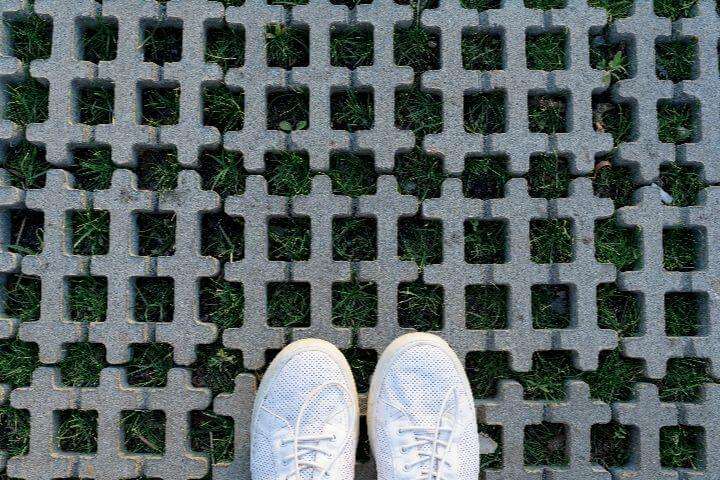
Timing is vital when laying your lawn grass mesh. With this in mind, below is a list of various periods throughout the year ranked by how suitable laying grass mesh would be.
1. March-April (Early Spring)
This is the best time of year to lay your grass reinforcement mesh for a number of reasons. The first is that growing season typically begins around this period, so there is a high chance that the mesh will quickly integrate with the grass root structure as it grows. The soil also begins to warm up and soften, contributing to optimal growth conditions. Before installing your grass reinforcement mesh, ensure you have mown the grass short, and if the mesh has been lain tightly and secured with pins (for example, steel u-pins) your lawn reinforcement should be stable and well-rooted by early summer – perfect for the installation of pedestrian grassed walkways.
2. September-October (Autumn)
Another ideal installation window, in these months, the grass is still actively growing, and as summer fades into autumn, the soil typically remains warm and moist to support growth. For a stable and reinforced surface by the time winter rolls around, lay the mesh as soon as possible to allow maximum time for the grass to grow and integrate with the mesh. Any growth will continue until the soil temperature dips below 8°C.
3. May-June (Late Spring/Early Summer)
For full integration, the months of May and June are also an ideal time, as the soil is still cool enough for growth, and the risk of drying and hardening from high temperatures is lower. Once the mesh grass reinforcement mesh has been installed, continue watering the grass regularly, as dry spells may slow growth. Due to this, the grass itself may be vulnerable after installation, so avoid heavy vehicle use for around 4-6 weeks after laying.
4. July-August (High Summer)
Laying your grass protection mesh within these months is also possible, but some caution is required when it comes to the grass root structure. High temperatures and dry soil can make it more difficult to secure mesh and establish growth. If you lay the mesh during this time of year, take care to water the grass on a regular basis and lay the mesh either early in the morning or in the evening. The slightly cooler temperatures will ensure you avoid inflicting heat stress on the grass.
5. November-December (Late Autumn/Winter)
While not the most recommended time to lay your mesh, it is still possible provided certain precautions are taken. Avoid disturbing any muddy or frozen areas, as installed mesh will be more likely to lift from these surfaces later. Be aware that with the lower temperatures, grass growth slows significantly, and it is likely no improvement will be seen until the spring months emerge. Laying your mesh at this time of year should only be an option if your grass requires immediate protection (for example, if it is going to be converted into parking spaces and is at risk of erosion).
6. January-February (Winter)
As with the November-December months, mesh should only be laid during this period if the grass urgently needs protection from pedestrian footfall or for traffic management. In these winter months, grass growth is minimal and the ground is more likely to either be waterlogged or frozen. Be mindful that if the ground is waterlogged, the mesh alone may not be enough to prevent damage to the soil from repeated use in wet weather. An alternative and more logical option is to spend this period planning your ground preparation work and ordering materials for the spring.
Whatever time of year you decide to lay your grass protection mesh, it is important that you take the correct precautions and install the mesh at the most optimal time for maximum grass protection and growth. For advice on our grass protection mesh and how to install it, get in touch with our team of experts who will only be too glad to assist.

