
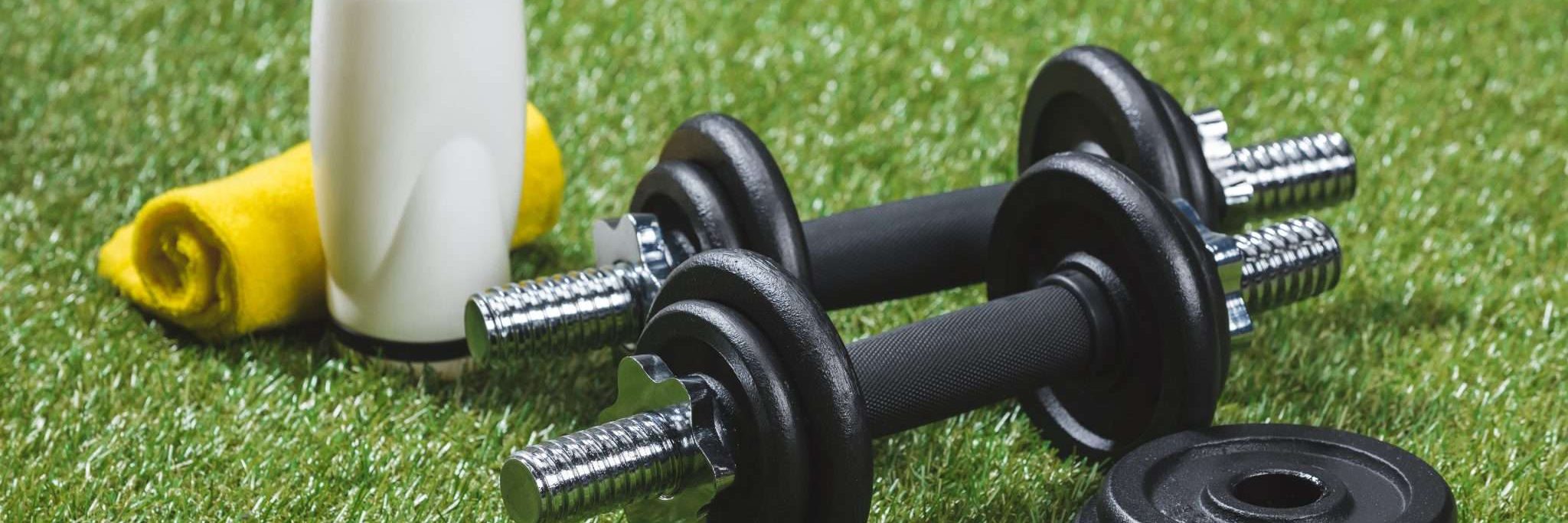
With the costs of gym memberships rising, beginners and avid health enthusiasts alike are turning to creating exercise areas in the home. For people with limited indoor space, as well as those that want to enjoy the benefits of fresh air, outdoor spaces are the perfect location to set up gym equipment. No matter if it’s a few dumbbells on the patio or a full setup in the garden, there are plenty of benefits to training outside.
Why Train Outside?
There’s a lot to be said for moving your exercise equipment to outdoor areas. Outdoor spaces can feel less restrictive and encourage more movement or variety in training routines. The refreshing change of scenery, natural light, fresh air, space and privacy can encourage improved motivation and a different mindset when compared to commercial gyms.
When you’re not limited by the height of a ceiling or a cramped space, swinging kettlebells or using a skipping rope is easy. You could even push a sled without having to worry about knocking over a lamp or hitting a wall.
Even personal trainers can see a benefit when integrating outdoor exercise into their training programmes. With a group of people, or when running a class, operating in an open outdoor space means that you can run dynamic sessions with enough spacing between participants.
Without the maintenance costs, operating an outdoor gym can also be far more cost effective than converting an indoor room in a house or paying the membership fees at a commercial gym. There’s no need for renovation work or improvements to ventilation, just a solid surface and the right equipment.
The Importance of Rubber Gym Flooring
While there are clear benefits of exercising outside, it does introduce a few new challenges. Uneven grassy areas, slippy paving and hard concrete aren’t the ideal workout surface and could lead to potential injuries and joint strain.
Rubber floor mats present the ideal solution for this. They provide weather resistant, and slip resistant properties to ensure durability, as well as a stable and shock absorbent surface to improve safety, protect your equipment and the ground below.
Whether you’re doing strength training with a weight bench, cardio, mobility work or circuits, having a quality rubber tile underfoot can transform your space from casual to truly functional.
Where are Rubber Mats Best Used?
Home Gyms
If you’re considering an outdoor home gym, flooring will be one of your key concerns. Rubber matting is an easy way of improving the quality of outdoor exercise areas. It provides stability during movement, additional cushioning underfoot for shock absorption that protects joins from repetitive impact, and helps to protect your garden from accidental damage. They are also adaptable so you can move the matting if you need – so you won’t have to worry about hosting that summer BBQ.
Personal Trainers and Mobile Coaches
For PTs, an outdoor training session can provide variety for your clients, especially when the weather is nice. Using a rubber mat outside can provide your clients with a safer, more comfortable place to train. No matter if you’re using interlocking tiles or a larger, heavy duty mat, the anti slip properties are essential for keeping your clients safe.
Commercial and Public Outdoor Gyms
In outdoor areas that are high-use areas, such as local council installations, sports clubs and outdoor training parks, having a stable floor environment is essential. These areas need a heavy duty surface that offers weather resistance and holds up against heavy-foot traffic and heavy weights. Rubber mats also function as anti fatigue mats, which is incredibly beneficial for high traffic areas.
How to Keep Your Outdoor Gym Mats Clean
By design, rubber mats are low maintenance. However, they do still require regular care, especially when they’re subject to outdoor use.
The good thing is, more than just easy installation, they’re also incredibly easy to clean. Before starting any exercise, it’s recommended to give your matting a quick sweep to remove any dirt, leaves or grit from the surface. Every couple of weeks, give it a more thorough clean with warm water and a PH neutral detergent (be sure to avoid bleach or strong chemicals which can break down or discolour the material over time).
In wetter months or in humid conditions, we also recommend that you lift the mats, and if you’re cleaning the underside, ensure that they are completely dry before laying them down again. Lifting the mats helps to prevent moisture from building up underneath, especially when they’re laid over grass or wooden decking.
Although rubber gym mats are weather resistant, prolonged exposure to the elements will eventually take its toll. If you’re not using them all year round, we recommend storing them during the winter months or invest in a cover for the area, to add years to their lifespan.
If you’re installing your mats in tight areas, such as up against a wall or near the edge of decking, we recommend that you allow for a little extra space at the edge of the mats. This is because throughout the year, with the changes in temperature and weather, your mats can expand and contract.
It is also important to inspect your mats now and again for signs of wear and tear. If the grip is starting to fade or the surface has cracks, it is probably time to replace your matting to ensure that you’re still getting the support you need.
The Perfect Foundation
No matter if you’re setting up your first home gym, running mobile sessions or managing a large-scale outdoor training space, rubber matting is a smart addition for your space.
If you have any questions about which matting is going to be right for you, our friendly team of experts are always happy to help.

