
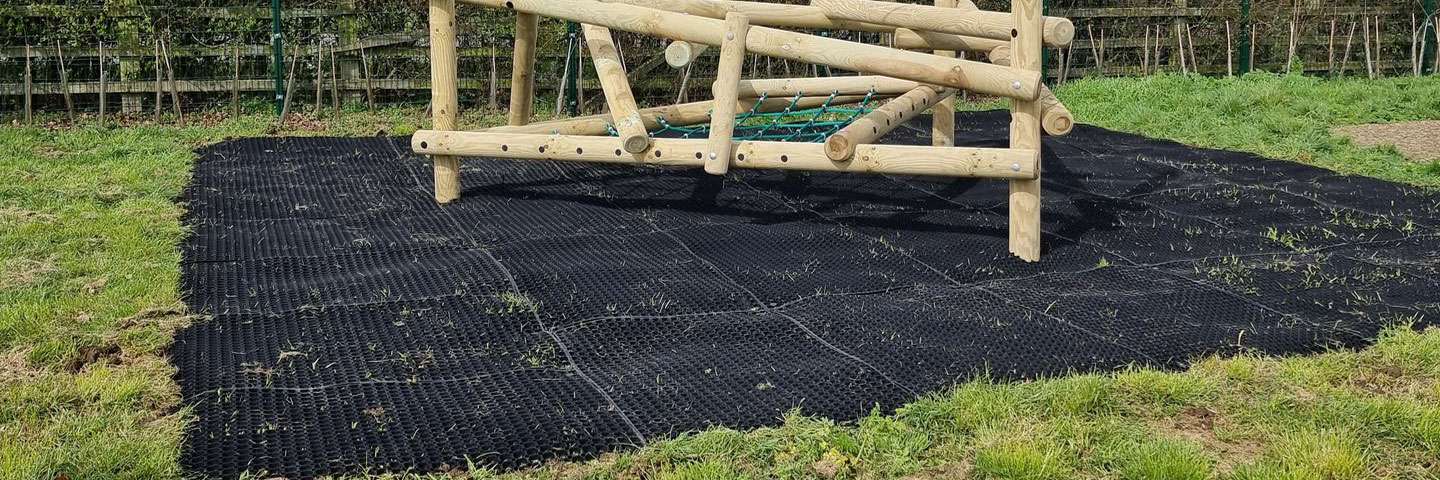
When specifying outdoor surfacing solutions, especially in public spaces like play areas, parks, pathways and schools, safety goes far beyond just impact protection. One critical but often overlooked element is fire safety. In particular, the material’s ability to resist fire and heat plays a vital role in protecting outdoor environments from accidental or deliberate fire risks.
For rubber surfaces like grass protection mats, understanding how the product performs under fire testing, especially when it comes to complying with standards like BS EN 4790:1987, is essential to ensure compliance, safety and long-term performance.
What Is BS EN 4790:1987?
British Standard EN 4790:1987 is a fire test method that assesses the ease of ignition and flame spread over floor coverings when exposed to a small flame source, such as a match or cigarette. While it was originally developed for textile floor coverings, this standard is widely applied across other ground-level surfacing products, including rubber grass mats and other safety flooring used in outdoor environments.
This test is particularly relevant because many real-world fires start from multiple variants of small ignition sources, especially in public areas where discarded matches or cigarettes are common.
The Test Method Explained
The EN 4790 test simulates the effect of a small, open flame or a hot piece of metal coming into contact with the surface material. The procedure typically follows these steps:
- A test sample of the material (in this case, a grass mat) is mounted in a flat horizontal position.
- A standard-sized ignition source (usually a butane flame, lit hexamethylene tetramine tablet, or a heated steel nut) is applied to the centre of the sample for a set period (usually 30–60 seconds).
- The ignition source is removed, and the behaviour of the material is observed.
- The spread of ignition, damage radius, and duration of burning are measured and recorded.
Materials are then rated based on:
- Whether the sample ignites
- How long the flame lasts
- How wide the burn area becomes
Performance Categories
Test results typically fall into one of the following classifications:
- Low radius of effects of ignition (the most desirable result): Indicates the flame self-extinguished and the damage radius was minimal.
- Moderate radius: Indicates some sustained burning, with a larger charred area.
- High radius: Indicates poor performance, material continues to burn, spreads flame rapidly or produces molten, burning debris.
Why Fire Resistance Matters for Ground Protection
Although playgrounds and footpaths may seem low-risk in terms of fire, several real-world scenarios highlight why ignition resistance is essential:
- Disposal of cigarettes or matches in playgrounds or at outdoor events
- Deliberate acts of vandalism or arson
- BBQs or portable stoves near picnic areas
- Prolonged heat or droughts, increasing the risk of fire spreading
If a surface like a grass mat ignites easily or sustains burning, it could:
- Endanger public safety
- Cause property damage in parking areas or play areas
- Invalidate public liability insurance
- Lead to fines for non-compliance with fire safety standards

Legislation and Compliance
While EN 4790:1987 is not a legal requirement in every outdoor surfacing application, specifiers and contractors have a duty of care under general UK health and safety legislation, including:
- The Health and Safety at Work etc. Act 1974
- The Occupiers’ Liability Act 1957
- The Construction (Design and Management) Regulations 2015 (CDM)
Specifying materials that are independently tested and certified to recognised fire standards like EN 4790 is an important part of meeting these regulations and reducing long-term risk.
What to Look for When Buying Fire-Resistant Grass Mats
To ensure you are purchasing safe and compliant grass mats:
- Request EN 4790:1987 test reports or certificates from the supplier
- Check that the mat has achieved a low radius of ignition effect
- Ensure the mat is suitable for the environment where you are placing it, especially in areas of high traffic, high heat or high risk
- Factor in fire performance as part of your site-specific risk assessment
Installation and Maintenance Considerations
Fire resistance isn’t just about the grass mat itself, installation and upkeep play a major role in real-world performance:
- Install away from open flames such as BBQ pits or firework areas
- Avoid an excessive build-up of dry leaves or rubbish, which can act as kindling
- Keep grass trimmed and healthy
- Inspect your mats for signs of vandalism (e.g. burn marks or melted areas)
- Replace damaged or scorched mats promptly
More Than Just Grass Protection
Fire safety is a critical component of surface specification, especially in areas that require heavy duty protection. One of the key benefits that grass mats provide is that they can meet the requirements of BS EN 4790:1987, in addition to serving their primary function – offering not only peace of mind, but also real protection against accidental ignition and the spread of fire.
Our grass mats have been tested to ensure that they do not contribute to burning behaviour – so not only do they offer year round grass protection for outdoor areas, but they also help to keep the areas they’re used in safe*.
If you have any questions about our grass protection solutions – don’t hesitate to get in touch with a member of our team, or browse our range of grass mats and grass protection mesh.
*Note: The test results relate only to the behaviour of the test specimens after application of a small source of ignition; they shall not be used as a means of assessing how the product will contribute to an established fire.

